Your Hair Mask Isn't Working — Here's What You're Actually Doing Wrong
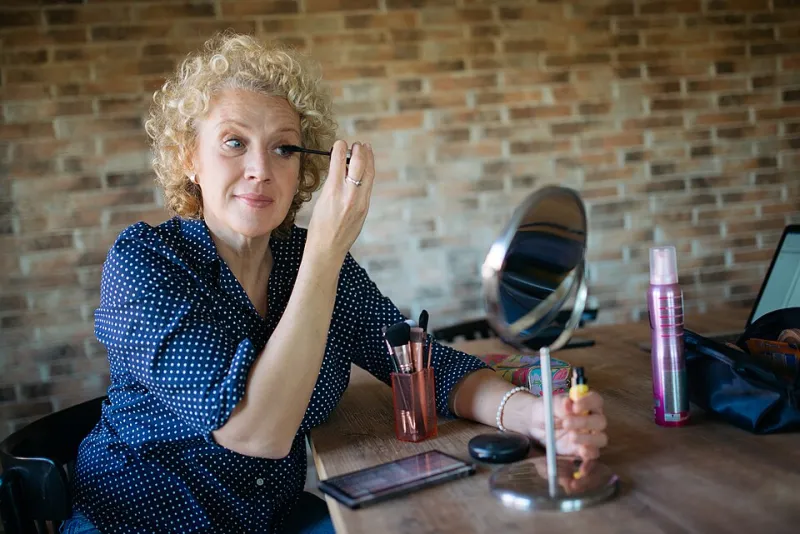
Photo: Shixart1985, CC BY 2.0, via Wikimedia Commons
You bought the fancy hair mask. The one with the gold lid and the ingredient list that reads like a wellness manifesto. You slathered it on, waited the full 20 minutes, rinsed — and your hair felt... fine. Not transformed. Not glossy and bouncy like the before-and-after. Just fine.
Sound familiar? You're not imagining it, and the mask probably isn't a scam. The issue is almost always how — and when — it's being used. Hair masks are genuinely powerful tools, but they're also one of the most misused products in the entire hair care lineup. Let's fix that.
The "More Is More" Myth
First, let's talk about frequency. A lot of people assume that masking every single wash day will lead to better, faster results. More nourishment, more repair, more shine — right? Not exactly.
Over-masking is a real thing, and it can actually cause a condition called hygral fatigue. That's when hair strands absorb too much moisture too often, causing the cuticle to repeatedly swell and contract. Over time, this weakens the hair structure and leads to increased breakage, mushiness, and that weird limp feeling that makes your hair look flat no matter what you do.
The sweet spot for most people is one to two times per week for dry, damaged, or color-treated hair, and once every week or two for hair that's generally healthy. Fine hair types can often get away with even less — sometimes bi-weekly masking is plenty. If your hair has been feeling weirdly soft but also fragile lately, you might already be overdoing it.
You're Applying It in the Wrong Place
Here's the move most people make: they scoop out a generous amount of mask and apply it straight to the scalp, working it through like a shampoo. Feels satisfying. Also kind of counterproductive.
Most conditioning masks are formulated for the mid-lengths and ends of your hair — the parts that experience the most dryness, heat damage, and mechanical stress. Applying heavy conditioning ingredients directly to your scalp can weigh down your roots, clog follicles, and throw off your scalp's natural oil balance. That's a recipe for greasy roots and limp, lifeless volume.
The technique that actually works: start a few inches from your roots (roughly at ear level) and work the product down toward your ends, focusing the most product on the tips. Use a wide-tooth comb or your fingers to distribute it evenly. Your scalp will thank you.
Timing: The 3-Minute vs. 30-Minute Debate
Leaving a mask on longer must mean better results — it's just logic. Except hair doesn't quite work that way.
Hair is composed of dead protein cells. Unlike skin, it doesn't have a living cellular structure that keeps absorbing ingredients over time. Most conditioning agents and proteins penetrate the hair shaft within the first five to ten minutes of contact. After that, you're largely in maintenance territory — the product is sitting on the surface rather than continuing to work deeper.
This doesn't mean timing is irrelevant. Leaving a mask on for a full 20 to 30 minutes is still beneficial for sealing the cuticle and allowing surface-level conditioning to fully set. But sitting under a shower cap for two hours isn't going to double your results. Follow the product's directions, and if you want to boost absorption, apply gentle heat — a warm towel wrapped around your head or a hooded dryer on low works beautifully to help ingredients penetrate more efficiently.
The Ingredient Clash Nobody Talks About
Not all hair masks play nicely with the products you use before or after them. This is one of the most overlooked reasons masks underperform.
If you're using a clarifying shampoo right before your mask, great — a clean slate helps ingredients absorb better. But if you're layering your mask on top of a heavy silicone-based leave-in or styling cream from a previous wash day, those silicones can create a barrier that blocks the mask's active ingredients from reaching the hair shaft at all. You're essentially conditioning your product buildup, not your actual hair.
On the flip side, watch what you layer on top of your mask. Protein-heavy masks and protein-heavy leave-ins used back to back can lead to protein overload — a state where hair becomes stiff, brittle, and prone to snapping. If your mask is loaded with keratin, hydrolyzed wheat protein, or silk amino acids, follow it up with a lightweight, moisture-focused leave-in rather than another protein product.
Matching Your Mask to Your Actual Hair Situation
This is where the real customization happens. Not every mask is built for every hair type, and using the wrong formula can actively work against you.
Dry or coarse hair: Look for masks rich in humectants (like glycerin or honey) and emollients (like shea butter, avocado oil, or argan oil). These help draw in moisture and lock it in. Apply generously, use heat to boost penetration, and don't rush the rinse.
Color-treated or chemically processed hair: Prioritize masks with bond-building technology (think Olaplex-style ingredients like bis-aminopropyl diglycol dimaleate) or those specifically labeled for color protection. These help repair the internal structure of hair that's been weakened by chemical services.
Fine or low-porosity hair: Go lighter. Rich, butter-heavy masks can leave fine hair feeling weighed down and greasy. Opt for a lighter, water-based formula and skip the heat — low-porosity hair actually responds better to masks applied to slightly damp (not soaking wet) hair.
Damaged or high-porosity hair: You need protein and moisture in balance. Look for masks that list both hydrolyzed proteins and moisturizing agents. High-porosity hair absorbs products quickly but loses moisture just as fast, so sealing with a lightweight oil after rinsing can help lock in your results.
One More Thing: The Rinse Matters More Than You Think
A rushed rinse is a sneaky way to undo all your hard work. Leaving even a small amount of a heavy mask on your hair can cause buildup, dullness, and that weighed-down feeling that makes your style fall flat by noon.
Rinse thoroughly — longer than you think is necessary — with cool or lukewarm water. The cooler temperature helps seal the cuticle after conditioning, which is what gives hair that smooth, light-reflecting finish you're going for. Hot water reopens the cuticle and can flush out some of the moisture you just worked to lock in.
Hair masks are genuinely one of the most effective tools you can have in your routine. When they're used right, the results are real — stronger, shinier, more manageable hair that holds up between salon visits and actually behaves the way you want it to. But they're not magic on autopilot. A little technique goes a long way, and now you've got it.