What Your Zip Code Is Doing to Your Hair (And How to Fight Back)
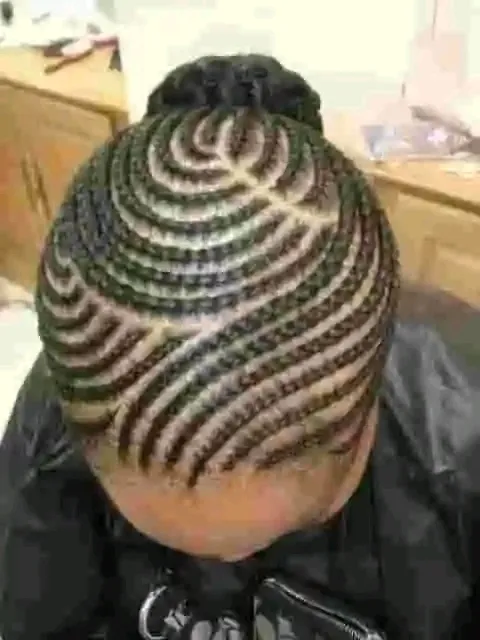
Photo: Halima Waziri, CC BY-SA 4.0, via Wikimedia Commons
You can have the most carefully curated hair routine in the world, and your climate will still find a way to mess with it.
Move from Phoenix to Atlanta and suddenly your sleek, frizz-free blowout evaporates the moment you step outside. Relocate from Florida to Denver and your hair starts snapping off at the ends because the air is so dry it's basically stealing moisture directly from your strands. Hair care isn't just about what's in your bathroom cabinet — it's about where your bathroom is located.
Across the US, wildly different climate zones create wildly different hair challenges. Here's a region-by-region guide to understanding what your environment is doing to your hair, and how to actually deal with it.
The Humid South: Georgia, Florida, Louisiana, and the Gulf Coast
If you live anywhere along the Gulf Coast or in the Deep South, you already know the enemy: humidity. Not just summer humidity — the relentless, year-round kind that turns a careful blowout into a poof within minutes of walking outside.
High humidity means excess moisture in the air is constantly trying to push its way into your hair shaft. For wavy and curly hair types, this can enhance your natural texture — but it can also mean unpredictable frizz and swelling at the cuticle. For straight and relaxed hair, it's mostly just a battle.
What to do:
- Anti-humidity sprays and serums aren't optional here — they're infrastructure. Look for products with ingredients like dimethicone or polymers that create a barrier between your strands and the moisture in the air.
- Gel-based stylers work particularly well for curly and wavy textures in the South because they lock your curl pattern in place before the humidity can disrupt it. Scrunch out the crunch once dry for soft, defined results.
- In Florida especially, salt air adds another layer of complexity. Regular clarifying washes (once or twice a month) help remove mineral and salt buildup that can make hair feel rough and dull.
- Protective styles — braids, twists, buns — are genuinely practical choices in high-humidity regions, not just aesthetic ones.
The Dry Southwest: Arizona, Nevada, New Mexico, and Southern California
Flip the humidity problem entirely and you've got the Southwest. Phoenix, Las Vegas, Tucson — these cities are beautiful, but they are genuinely hostile to hair moisture. Low humidity means the air is constantly pulling water out of your strands, leading to dryness, static, brittleness, and breakage.
If you've moved to this region from somewhere more temperate, you might notice your hair feeling coarser, snapping more easily, or developing split ends faster than usual. That's not your imagination — it's physics.
What to do:
- Deep conditioning treatments need to happen consistently here, not just as an occasional treat. Once a week is a reasonable baseline for most hair types in the desert Southwest.
- Humectants (ingredients like glycerin and hyaluronic acid) pull moisture from the air — which is great in humid climates but can backfire in extremely dry ones. In low-humidity environments, layer humectants under occlusive products (oils, butters, creams) that seal moisture in before it can escape.
- A leave-in conditioner should be non-negotiable as part of your daily routine.
- Sleeping on a silk or satin pillowcase reduces friction-related moisture loss overnight — a small habit that adds up significantly in dry climates.
- Consider a humidifier in your bedroom. It won't replace good products, but it does create a slightly more hair-friendly environment while you sleep.
The Unpredictable Midwest: Illinois, Ohio, Missouri, Minnesota, and Beyond
If you want to understand the Midwest climate experience, picture this: a single week in March where you go from a 60-degree sunny day to a snowstorm to a warm, muggy afternoon. Your hair doesn't know what's happening. Neither do you.
Midwestern hair struggles aren't defined by one extreme — they're defined by constant fluctuation. Humid summers that rival the South, brutally cold and dry winters, and transitional seasons that can't make up their minds. This means your routine genuinely needs to shift with the seasons, which is more work but also more opportunity to get things right.
What to do:
- Build a two-season routine and actually switch between them. Your summer products (lighter, anti-humidity focused) should not be your February products (heavier, moisture-sealing focused).
- Winter in Chicago or Minneapolis is no joke for hair. Cold air holds almost no moisture, indoor heating strips even more, and wool hats create friction that leads to breakage. A good hair oil applied to your ends before putting on a hat goes a long way.
- Spring and fall are your friends — relatively mild conditions mean this is the ideal time to do more intensive treatments like bond-building masks or protein treatments to repair any seasonal damage.
- Static is a real winter issue in the Midwest. A tiny amount of a smoothing serum or even a light hair oil on your palms, smoothed over dry hair, tames static without weighing hair down.
The Pacific Northwest: Washington, Oregon, and Northern California
Seattle and Portland hair care is its own category. The Pacific Northwest delivers cool, damp air for most of the year — not the aggressive heat-humidity of the South, but a persistent, low-level moisture that still affects frizz-prone hair types. It's also overcast enough that UV damage is less of a concern, but the constant dampness can affect scalp health.
What to do:
- Lightweight anti-frizz products work better here than heavy ones. You're not fighting a wall of heat and humidity — you just need a little help keeping your cuticle smooth in damp air.
- Watch your scalp. Consistently damp, cool conditions can create an environment where product buildup and even fungal issues thrive. Regular scalp care and clarifying washes are worth the effort.
- When the rare Pacific Northwest summer arrives (and it does), it can get surprisingly warm and dry. Having a richer moisturizing product on hand for those weeks pays off.
The Northeast: New York, Boston, and the Mid-Atlantic
Four distinct seasons, all of them intense. Humid, hot summers. Cold, occasionally brutal winters. The Northeast demands a hair routine with range.
What to do:
- Summer in New York City adds urban pollution to the humidity equation. A clarifying shampoo used every few weeks helps remove environmental buildup that regular shampoo misses.
- Winter calls for the same moisture-retention strategies as the Midwest — deeper conditioning, protective styles, and sealing oils.
- Transition seasons (April-May and September-October) are genuinely the best time for your hair in the Northeast. Use them to do any intensive repair work before the next extreme season hits.
The Bottom Line
Your hair doesn't exist in a vacuum — it exists in a climate, and that climate is one of the biggest variables in how your hair behaves day to day. Understanding your environment is just as important as understanding your hair type.
The good news is that once you know what you're working against, you can build a routine that actually accounts for it. No more wondering why your hair behaves differently on vacation or why the products that worked in your last city are falling flat in your new one.
Your zip code matters. Dress your hair accordingly.